Top Licensed Online Casinos Available in the EU in 2026: How to Choose a Safe and Trustworthy Platform
If you've spent any real time hunting for a reliable online casino in Europe, you already know how fast the options pile up. In 2026, the EU gambling market is more crowded than ever — and that cuts both ways. More solid, legitimate platforms exist now than at any point before, but so do more predatory ones, built specifically to look trustworthy without actually being so. I've been navigating this space for years, and the one thing that's stuck with me above everything else: a valid gambling license isn't some nice-to-have feature. It's the floor. The bare minimum. If a casino can't clear that bar, nothing else matters — not the welcome bonus, not the game library, not the slick interface.
This guide walks through what you actually need to know before choosing a platform as an EU resident in 2026. Making sense of regulatory bodies, catching red flags early, identifying the casinos genuinely worth your attention — it's all here.
Why Licensing and Regulation Matter for EU Online Casino Players in 2026
I'll be blunt: playing at an unlicensed casino is a gamble in the worst possible sense of the word. No legal obligation to pay your winnings. No obligation to protect your data. No recourse if things go sideways. None. Licensing changes all of that — fundamentally, not cosmetically.
When a casino holds a recognized gambling license, it's agreed to operate inside a framework built specifically around protecting you. That means independently audited Random Number Generators (RNGs) for fair game outcomes, strict anti-money laundering protocols, GDPR-compliant data protection, and mandatory responsible gambling measures. These aren't optional perks the casino can choose to offer or quietly ignore — they're enforced conditions of holding that license. Break them, lose it. It's that simple.
Key EU Gambling Regulatory Bodies and What They Guarantee
Not all licenses carry the same weight, though. Here's a breakdown of the regulators you'll actually encounter when evaluating EU platforms:
- Malta Gaming Authority (MGA): Widely regarded as the gold standard in European online gambling regulation. MGA-licensed casinos face extremely high standards around player fund protection, dispute resolution, and responsible gambling tools. If a casino carries an MGA license, that's a meaningful positive signal — not a guarantee, but a genuinely strong one.
- Gibraltar Regulatory Authority (GRA): Another well-respected regulator with rigorous compliance requirements. Plenty of established brands hold GRA licenses alongside MGA certifications — dual licensing is common at the top end of the market, and it's worth noting when you see it.
- National Regulators: Countries like Sweden (Spelinspektionen), Denmark (Spillemyndigheden), and Germany (GGL) run their own licensing frameworks. If you're based in one of those countries, locally licensed platforms often give you the strongest consumer protections under domestic law. Worth prioritizing if that applies to you.
- Curaçao eGaming: More commonly found on newer or smaller operators. It's a legitimate license, but the player protections it provides are considerably weaker than what you'd get from the MGA or most national regulators. I'd approach Curaçao-only operations with noticeably more caution — not automatically write them off, but scrutinize everything else more carefully.
The Rise of Trusted Online Casinos in the EU Market in 2026
The EU online casino landscape in 2026 looks genuinely different from two or three years ago. Stricter regulatory enforcement across member states has pushed out a significant chunk of the shadier operators that used to fill the space — not all of them, but enough to noticeably shift the overall quality of what's available to players.
Player awareness has moved in parallel. More EU residents now check licensing before depositing, and review platforms have made background research faster and more accessible than it's ever been. Operators have noticed. When informed players won't tolerate poor practices, the competitive market punishes platforms that cut corners and rewards the ones that genuinely invest in player experience. That feedback loop is real — and it's working.
For you as a player, that's genuinely good news: in 2026, the selection of safe, well-regulated, entertaining platforms is wider than at any previous point. The challenge isn't finding options. It's filtering them efficiently — and that's exactly what this guide is for.
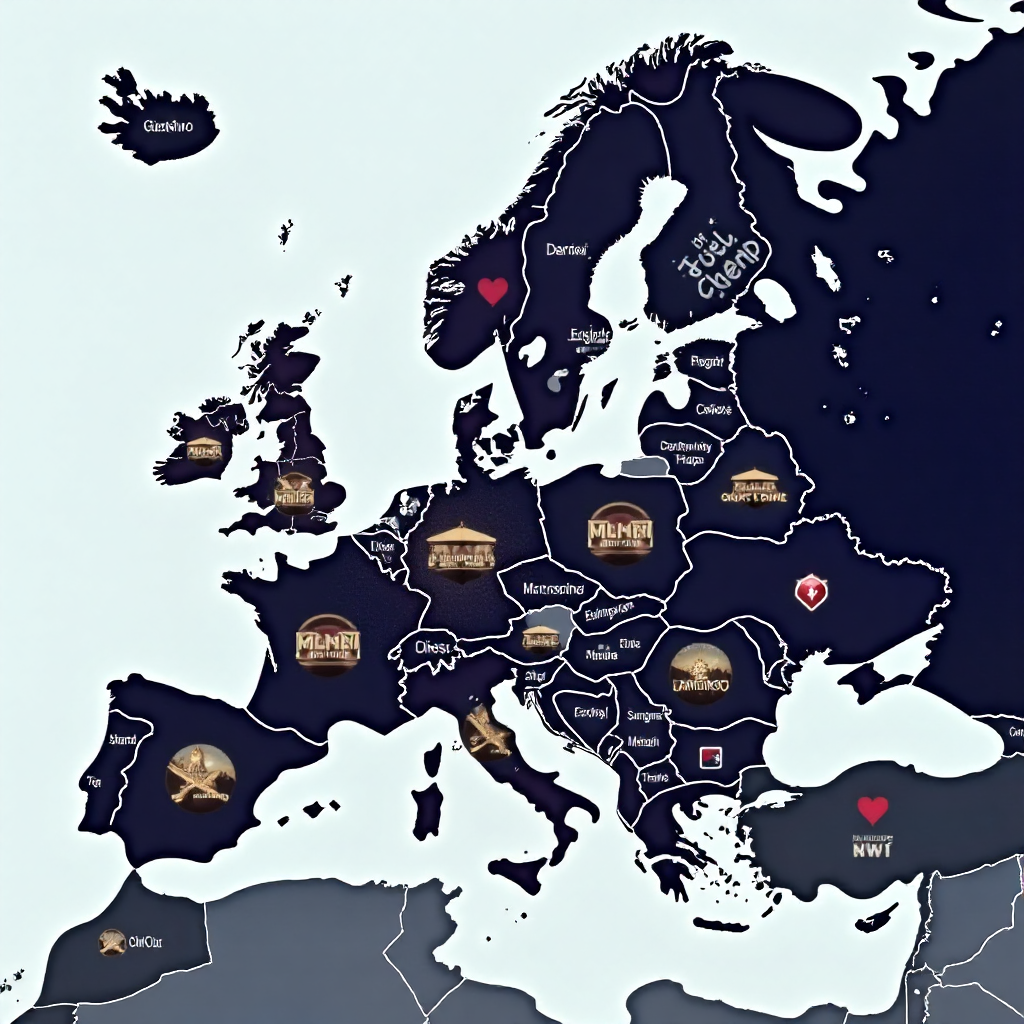
How to Identify a Safe and Trustworthy Online Casino Platform
Before you create an account anywhere, run through this checklist. It takes maybe ten minutes — and it can save you a serious amount of frustration later. I've done this so many times it's second nature now, but when I first started, skipping even one of these steps cost me.
- Verify the license: Find the license number at the bottom of the casino's homepage, then go directly to the regulator's website and confirm it's current and valid. Don't just take the casino's word for it — verify it yourself at the source. This takes two minutes and tells you everything.
- Check SSL encryption: The site URL should start with 'https://' and show a padlock icon. That confirms your data is encrypted in transit. Basic, but non-negotiable.
- Review payment options: Legitimate platforms offer well-known, transparent payment methods with clear information about withdrawal times and any fees involved. Vague or buried payment details are a warning sign — usually an intentional one.
- Read the bonus terms: Wagering requirements, eligible games, and time limits should all be clearly stated upfront. If the bonus conditions are hard to find or written to confuse, that's deliberate — and it tells you something important about how this casino operates.
- Test customer support: Send a quick question through live chat or email before you deposit anything. How they respond — speed, actual helpfulness, whether they answer your specific question — tells you a lot about how they'll treat you when real money is involved.
- Check responsible gambling tools: Any reputable EU casino will offer deposit limits, self-exclusion options, and visible links to organizations like GamCare or Gambling Therapy. If those tools are hard to find, take note. That's not an accident.
Red Flags to Watch Out for When Choosing an Online Casino
Knowing what to look for matters. So does knowing what to walk away from. These are the warning signs I've learned to take seriously over years of doing this:
- No license number displayed, or a license that can't be verified on the regulator's actual website
- Bonus offers built around impossibly complex terms designed to prevent you from ever actually withdrawing winnings
- No responsible gambling section, or no visible links to support organizations
- Withdrawal processing times measured in weeks rather than days
- Customer support that's unavailable, unresponsive, or clearly reading from a script
- No GDPR-compliant privacy policy, or genuinely unclear data handling practices
- Pressure tactics, unsolicited bonus offers, or aggressive re-engagement emails
If you hit more than one or two of these on a single platform — leave. There are too many genuinely good options in 2026 to take unnecessary risks on a casino that's already showing you exactly who it is.
Spotlight on Top Licensed EU Casinos in 2026 — Including Vox Casino
With those criteria in mind, here's what actually separates the standout licensed platforms worth considering in 2026. The best EU casinos combine solid regulatory credentials with strong game libraries, fair bonus structures, and customer service that responds like actual humans rather than automated deflection machines.
One platform that's been drawing consistent positive attention in the EU market is Vox casino. It operates under a recognized license and has built a reputation around a diverse game selection — slots, live dealer tables, and table games from reputable software providers. What I've noticed about Vox Casino specifically is the emphasis on transparent bonus terms and an interface that doesn't bury new players in unnecessary complexity. For EU residents who want a platform that clears the essential boxes without unnecessary friction, it's genuinely worth a closer look.
Zooming out, the broader trend across top EU casinos in 2026 points toward live dealer experiences gaining serious ground, faster cryptocurrency withdrawal options becoming more standard, and loyalty programs that actually reward long-term players rather than just chasing new sign-ups. When you're comparing platforms, these features signal a mature, player-focused operation — not one designed to extract deposits and move on.
Essential Features Every Top EU Online Casino Should Offer in 2026
Player expectations have shifted alongside the market. Here's what I'd consider genuinely non-negotiable for any serious EU casino platform right now:
- Mobile compatibility: A fully functional mobile experience — through a dedicated app or a well-optimized mobile site — isn't optional anymore. Most EU players access casinos primarily through their phones, and a clunky mobile experience in 2026 is a sign the platform simply isn't keeping up.
- Multilingual support: The EU is diverse by design. Top platforms reflect that by offering support across multiple European languages, not just English. If a casino only operates in English, that's a gap worth flagging.
- Diverse payment options: Traditional methods like Visa and bank transfers, popular e-wallets like Skrill and Neteller, and increasingly, cryptocurrency options like Bitcoin and Ethereum for faster withdrawals. A limited payment menu in 2026 is a gap, not a quirk.
- Provably fair gaming: Independent certification from bodies like eCOGRA or iTech Labs confirms that game outcomes are genuinely random. Look for those logos — they mean the math has been checked by someone outside the casino, not just taken on faith.
- Robust responsible gambling tools: More on this in the next section, but in 2026 this is a genuine quality benchmark — not just a compliance checkbox that gets ticked and forgotten.
Responsible Gambling Tools — A Non-Negotiable Standard
EU regulators have made responsible gambling features mandatory for licensed operators, and the reasoning is sound. But the best platforms don't stop at minimum compliance — they build out a real suite of player protection tools that are actually easy to find and use:
- Deposit limits: Daily, weekly, and monthly caps you set yourself to manage how much you're spending — not limits the casino imposes on you, but ones you control
- Reality checks: Regular pop-up notifications that remind you how long you've actually been playing — small thing, genuinely useful
- Cooling-off periods: Temporary breaks from gambling, typically ranging from 24 hours up to several weeks, for when you need distance without full exclusion
- Self-exclusion programs: Including integration with national self-exclusion registers like GAMSTOP (UK) or equivalent EU systems
- Links to support organizations: Prominently displayed references to GamCare, Gambling Therapy, and national helplines — not buried in a footer where no one will find them
If a casino makes it genuinely difficult to find or use these tools, that's a serious red flag — regardless of whatever license it's currently holding.
Tips for Getting the Most Out of Your EU Licensed Casino Experience
Once you've picked a platform that actually passes muster, here's how to get more out of it:
- Read the bonus terms carefully: Before you claim any welcome offer, understand the wagering requirements, eligible games, and time limits. A 100% match bonus with a 40x wagering requirement on slots only is a very different deal from a 50% bonus with a 20x requirement across all games. The headline number almost never tells the full story.
- Enable two-factor authentication: Any reputable casino offers 2FA. Use it. It protects your funds and personal information against unauthorized access — takes about two minutes to set up, and it's genuinely worth those two minutes.
- Use demo mode first: Most licensed casinos let you play slots and table games in free demo mode before wagering real money. Use that. It's a real, practical way to understand game mechanics and volatility before you commit your bankroll to something you don't fully know yet.
- Set your limits upfront: Use the responsible gambling tools from day one — not after something goes wrong. Decide on your deposit limits before you're already in the middle of a session. That's when it's too late to think clearly about it, and you know it.
- Keep records: Note your deposits and withdrawals. It helps with bankroll management and gives you concrete documentation if a dispute ever comes up — which you hope it won't, but it's smart to be prepared.
Conclusion — Choosing Smart in the EU Casino Landscape of 2026
The EU online casino market in 2026 is in a genuinely strong place for players who know what they're doing. More licensed, well-regulated platforms than ever before, better game libraries, fairer bonuses, stronger player protections across the board. But that abundance of choice makes careful evaluation more important, not less — because the low-quality operators haven't disappeared. They've just gotten better at looking legitimate.
My core advice is simple: start with the license, verify it yourself, then assess the platform's overall transparency and how it treats player-focused features. If a casino won't show you its credentials clearly, buries bonus terms in fine print, or makes responsible gambling tools genuinely hard to access — it doesn't deserve your money. Doesn't matter how attractive the welcome offer looks.
The platforms worth your trust in 2026 are the ones that treat compliance as a real commitment to their players — not just a legal box to tick and move past. Those are the casinos worth your time, your money, and your loyalty. Use the framework in this guide, trust your instincts when something feels off, and you'll be well-equipped to move through the EU casino landscape with real confidence.