Understanding Gait Disorders in the Elderly: Causes and Solutions for Effective Fall Prevention
Introduction to Gait Disorders in Older Adults
Gait disorders refer to abnormalities in the manner or pattern of walking, which are especially common in elderly individuals. These impairments can significantly affect mobility and independence, making gait disorders a critical concern for healthcare professionals and caregivers alike.
Walking involves complex coordination of the nervous system, muscles, and sensory inputs. When any of these components decline due to age-related changes or disease, gait becomes irregular, slower, or unstable. Understanding the nature and causes of gait disorders in older adults is a crucial step toward effective fall prevention and rehabilitation.
Common Causes and Risk Factors of Gait Impairment
The primary causes of gait disorders in the elderly stem from a mix of neurological, musculoskeletal, and sensory deficits. These factors often act together to impair balance, posture control, and walking mechanics.
- Neurological conditions such as Parkinson’s disease, stroke, peripheral neuropathy, and dementia alter motor control and coordination, leading to shuffling steps, uneven stride, or freezing of gait.
- Musculoskeletal impairments including arthritis, muscle weakness, joint stiffness, and reduced flexibility limit the physical ability to maintain a steady walking pattern.
- Sensory deficits like impaired proprioception and vision reduce feedback to the brain about limb position and environment, increasing instability during movement.
- Balance and posture disturbances caused by vestibular dysfunction or decreased central nervous system processing speed worsen gait regularity and safety.
- Additional risk factors include medication side effects, cognitive decline, and environmental hazards that can exacerbate gait disturbances.
Recognizing these contributors early allows for targeted diagnosis and interventions, which are key to maintaining mobility and reducing fall risk.
Impact of Gait Disorders on Fall Risk and Quality of Life
Gait disorders significantly increase the probability of falls in elderly populations, posing a grave risk of injury, hospitalization, and loss of independence. The altered walking pattern disrupts balance and reduces the ability to recover from slips or trips.
Falls caused by impaired gait often lead to fractures, traumatic brain injuries, and prolonged recovery times. Beyond physical harm, gait disorders also create a psychological burden, fostering fear of falling that leads to social withdrawal and diminished quality of life.
In practical terms, gait impairment complicates everyday activities such as climbing stairs, crossing streets, or navigating uneven surfaces, profoundly limiting autonomy. Early mobility assessment and continuous monitoring are essential in preventing falls and preserving the overall well-being of older adults.
Traditional Approaches to Managing Gait Disorders
Managing gait disorders traditionally involves a combination of physiotherapy, medication, and lifestyle adjustments aimed at enhancing mobility and reducing fall risk.
- Physiotherapy focuses on strengthening muscles, improving joint flexibility, and retraining walking patterns through balance and gait exercises. Therapists often use gait analysis to tailor rehabilitation plans.
- Medications that address underlying neurological conditions or alleviate pain can indirectly improve gait. However, side effects such as dizziness must be carefully managed to avoid exacerbating fall risk.
- Lifestyle interventions include home modifications to eliminate trip hazards, regular physical activity, and assistive devices like canes or walkers to provide support and stability.
Despite their value, these traditional methods sometimes fall short in addressing complex gait impairments, especially when neurological deficits dominate. This has spurred exploration of advanced rehabilitation technologies for improved outcomes.
Innovations in Rehabilitation: Mechatronic Gait-Training Devices
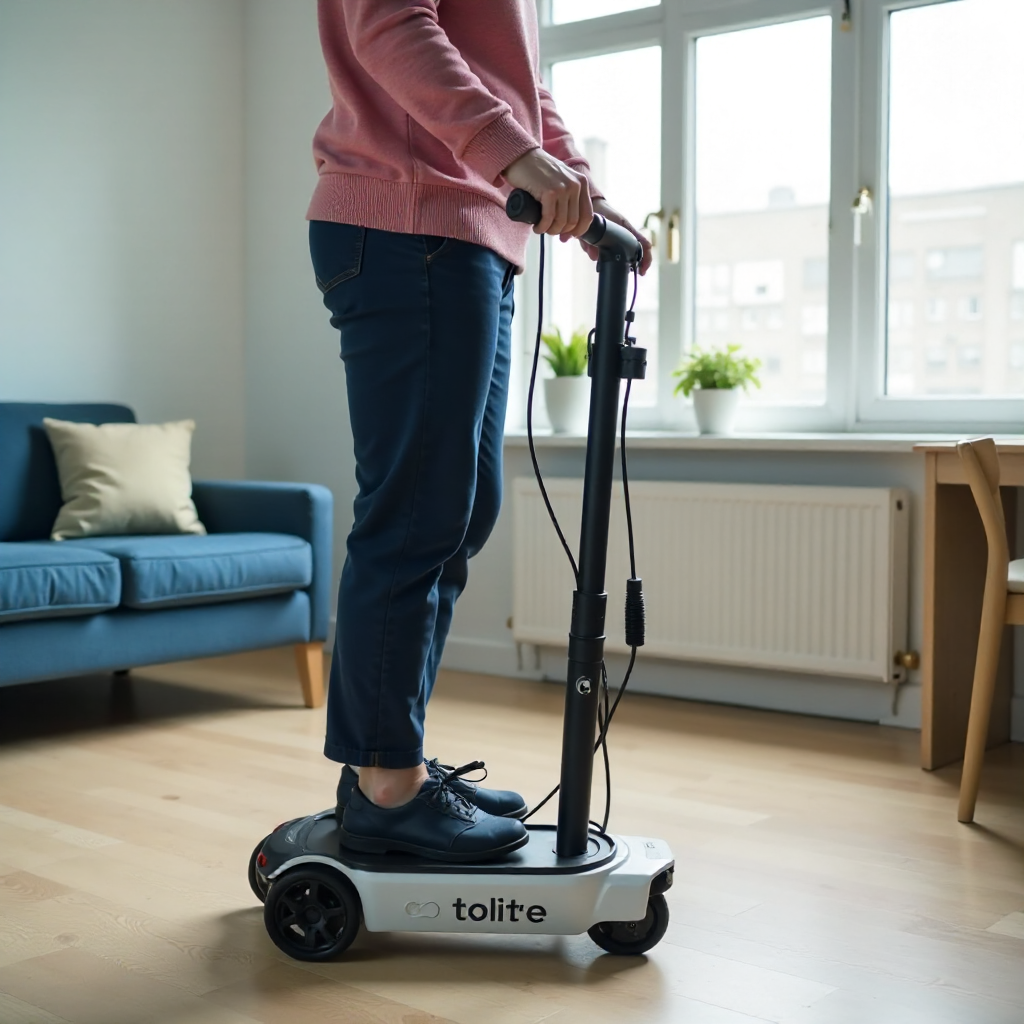
Mechatronic gait-training devices are advanced robotic systems designed to assist elderly patients in regaining safe and efficient walking patterns. These devices provide controlled, repetitive, and customizable gait training that complements conventional therapy.
By integrating sensors, motors, and feedback systems, mechatronic devices can detect gait abnormalities in real time and adjust support accordingly. This dynamic assistance promotes neuroplasticity and muscle re-education, leading to faster and more sustained improvements in mobility.
Beyond physical training, these technologies enable precise mobility assessment through data collection, allowing clinicians to track progress objectively and refine rehabilitation strategies. For older adults at high fall risk, mechatronic systems offer a promising solution to enhance balance and posture control effectively.
However, trade-offs include higher costs and limited accessibility in some healthcare settings, highlighting the need for integrating these devices thoughtfully within broader care plans.
Insights from the FP7 Project on Fall Prevention
The FP7 European research project focused on fall prevention has delivered valuable insights into the use of mechatronic gait-training devices for elderly mobility rehabilitation. The project demonstrated that combining sensor-based feedback with personalized gait exercises significantly reduced fall risk.
FP7 research highlighted key factors for success, including early intervention, multidisciplinary collaboration, and continuous monitoring outside the clinical environment. Trials showed that participants using the mechatronic systems improved their dynamic stability and walking speed compared to control groups relying on standard therapy alone.
This project also emphasized the importance of integrating rehabilitation technology with education for both patients and caregivers, ensuring practical adoption and long-term adherence.
By bridging advanced engineering with clinical expertise, the FP7 initiative marks a pivotal step forward in developing scalable, evidence-based strategies to tackle gait disorders and falls in aging populations.
Recommendations for Clinicians and Caregivers
Effective management of gait disorders requires a comprehensive, personalized approach emphasizing early assessment and multidisciplinary intervention.
- Perform regular mobility assessments using standardized tools to identify gait impairments promptly.
- Incorporate balance and posture training into rehabilitation plans to counteract instability.
- Consider emerging technologies such as mechatronic gait-training devices for patients with complex or persistent gait issues.
- Educate caregivers about environmental modifications and fall hazard reduction in daily living spaces.
- Monitor medication effects closely to avoid side effects that compromise gait.
- Promote sustained physical activity programs tailored to older adults’ capabilities to maintain musculoskeletal health.
Taking a proactive, tailored approach maximizes mobility, minimizes falls, and improves quality of life for elderly individuals dealing with gait disorders.
Frequently Asked Questions
What are the earliest signs of gait disorders in elderly individuals?
Early signs include slower walking speed, shorter step length, unsteady balance, shuffling feet, or frequent tripping. Subtle hesitation or asymmetry in gait can indicate emerging problems.
How do mechatronic gait-training devices improve mobility?
They provide repetitive, controlled support during walking exercises, enhancing muscle strength, coordination, and balance. Real-time feedback corrects abnormal patterns, facilitating neural adaptation and safer gait.
Can gait disorders be fully reversed or only managed?
While some gait impairments may improve significantly, especially with early intervention, others caused by chronic neurological damage are typically managed to optimize function and reduce fall risk rather than completely reversed.
What role does balance training play in fall prevention?
Balance training strengthens core stability and improves the body’s ability to maintain posture during movement, which is crucial to preventing falls linked to gait disorders.
How to differentiate between different types of gait problems?
Gait disorders vary by cause: neurological gait often features irregular rhythm or freezing; musculoskeletal gait involves limping or stiffness; sensory gait shows wide stance and cautious steps. Detailed clinical and mobility assessments aid proper classification.
For further detailed information on gait disorders and fall prevention technologies, authoritative sources like National Institute on Aging offer comprehensive guidance.