How Winaura Is Revolutionizing Sustainable Window Solutions in the European Union: A 2026 Guide to Energy-Efficient Home Improvements
If you've watched your heating bills inch upward while Brussels keeps tightening building rules, you're in good company. Millions of homeowners across Europe are sitting with the same uncomfortable truth: older windows are quietly bleeding energy and money every single day. In 2026, home improvement conversations have shifted hard toward sustainability — and windows are right at the heart of it. I've spent a fair amount of time digging into this space, and what I keep finding is that upgrading your windows isn't purely an environmental decision anymore. It's financial It's about comfort. And for a growing number of people, it's becoming a legal one too.
The State of Energy-Efficient Windows in the EU in 2026
The EU's revised Energy Performance of Buildings Directive — the EPBD — has drawn a clear line: all new buildings must hit near-zero energy standards, and renovating existing housing stock is being pushed agressively through national action plans. From Poland to Portugal, member states are rolling out stricter energy certification requirements. Single-glazed or poorly insulated windows aren't just an inconvenience anymore. They're becoming a genuine liability for resale value and regulatory compliance alike.
Energy costs across the EU are still elevated compared to pre-2022 levels, despite some stabilization since then. The average European household still spends a meaningful chunk of its income on heating and cooling — windows account for anywhere from 25% to 40% of a home's total heat loss. Think about that for a second. Nearly a third of your heating budget potentially escaping through the glass. The demand for solid window solutions hasn't just grown; it's become urgent in a way it simply wasn't five years ago.
What Makes a Window Truly 'Sustainable'?
Before we get into solutions, it's worth pining down what 'sustainable' actually means here. The term gets used loosely — sometimes it means recycled materials, sometimes it means low energy bills, sometimes it means both and more. In technical terms, it really comes down to four things: thermal performance, material lifecycle, manufacturing footprint, and end-of-life recyclability. A window that scores well on all four is genuinely sustainable. One that onlyicks one or two boxes is just marketing.
Key Energy Performance Metrics Explained
The number you'll encounter most when shopping for windows in the EU is the U-value — a measure of how much heat passes through a material per square meter per degree of temperature difference. Lower U-value, better insulation. Simple enough. Here's how the ratings break down in practice:
- Ug — thermal transmittance of the glass unit alone
- Uf — the thermal transmittance of the frame
- Uw — the overall window U-value, combining glass and frame
For context: a standard double-glazed unit from a decade ago might carry a Uw of around 1.6 W/m²K. Modern high-performance double glazing can hit 1.1 or below. Quality triple glazing pushes that down to 0.7 or even0.6. EU energy labels — increasingly standardized across member states — now let consumers compare products on a consistent scale, much like the energy ratings you'd check on a fridge or washing machine.
Sustainable Frame Materials Compared
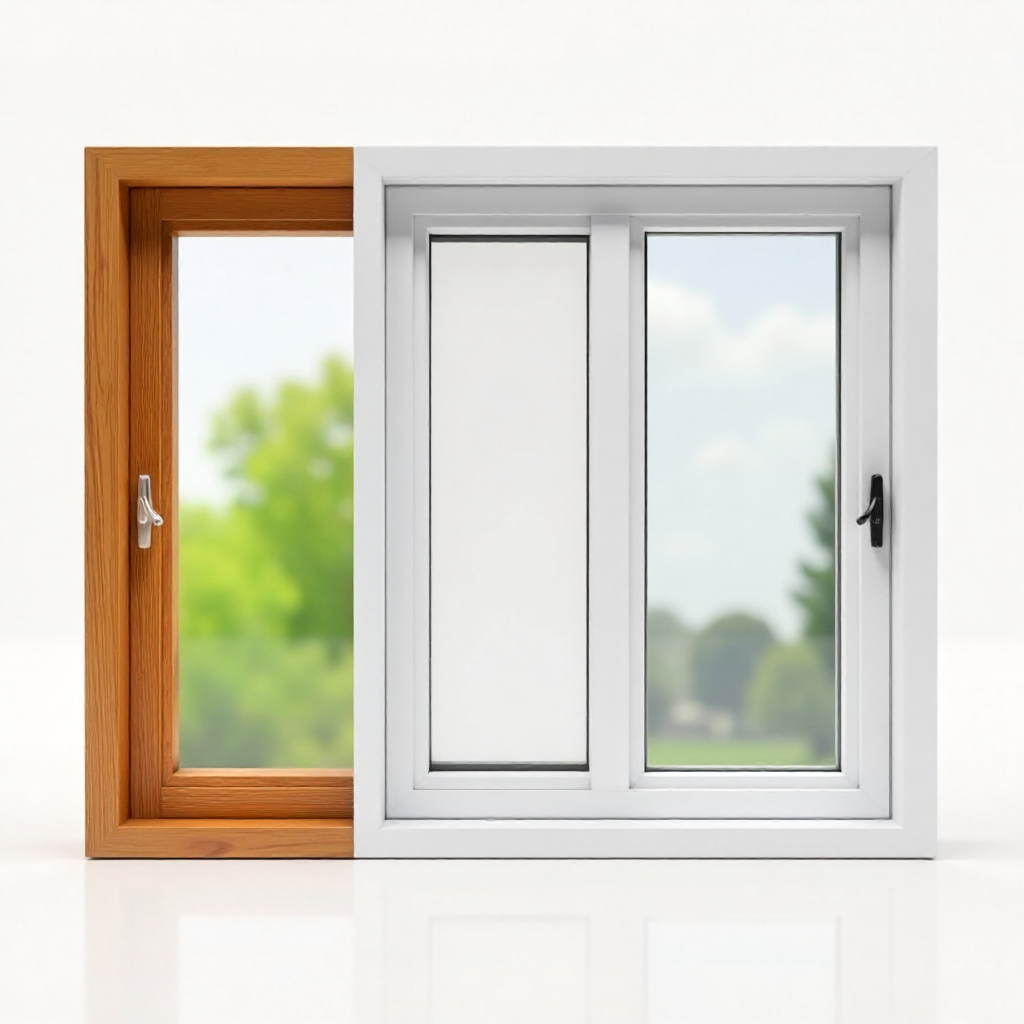
The frame material matters just as much as the glazing itself. Here's an honest breakdown of what's out there:
- PVC — affordable, low maintenance, and thermally efficient with multi-chamber profiles. Recyclability has improved a lot in recent years, though critics still flag plastic's environmental production cost.
- Aluminium — highly durable and fully recyclable, but thermally conductive unless properly fitted with thermal breaks. Better suited to milder EU climates without extra insulation measures.
- Timber — a solid natural insulator, renewable, and genuinely valued for aesthetics. Requires more upkep but carries the lowest embodied carbon when responsibly sourced.
- Composite — typically a timber core with aluminium or PVC cladding, trying to offer the best of both worlds in terms of performance and durability.
How Winaura Is Changing the Game for European Homeowners
This is where it gets interesting. Winaura has built a real name in the sustainable window market for EU homeowners, and their approach shows they actually understand what buyers need right now — not what worked five years ago. Rather than just clearing minimum regulatory thresholds, Winaura positions itself around exceeding them. Windows built for 2026's energy landscape, not designed to scrape past it.
What stands out to me is the combination of rigorous manufacturing standards and real support through the installation process. Too many window companies treat installation as an afterthought — hand it off to whoever's cheapest and move on. Winaura recognizes that a technically superior product installed badly is still a badly performing window. Their commitment to EU energy standards isn't just a line in a brochure. It's built into their product specs and quality assurance from the start.
For homeowners trying to navigate an increasingly complex EU certification landscape, having a supplier who can actually talk through energy performance metrics, provide solid documentation for grants and subsidies, and help with national building code compliance is worth a lot. That's the kind of practical, end-to-end approach that makes a real difference when you're mid-renovation and paperwork starts piling up.
Key Benefits of Upgrading to Energy-Efficient Windows in 2026
The case for upgrading isn't abstract. EU data consistently shows that replacing single-glazed or older double-glazed windows with modern high-performance units can cut annual heating and cooling costs by 15% to 30%, depending on climate zone, building age, and the quality of what you're putting in. Over a 10-to-15-year lifespan, that's a meaningful return on investment — and that's before you factor in any property value uplift.
Beyond the bills, there are comfort factors that don't get talked about enough. Cold radiating from poorly insulated windows creates uncomfortable dead zones throughout a room, pushing people away from the very walls that define the space. Modern low-emissivity glass eliminates that. Acoustic performance improves too — measured in decibels of noise reduction — which matters a lot if you're living near busy roads or rail corridors. It's the kind of difference you notice immediately and can't unknow.
The carbon side is real too. Replacing four average-sized windows in a typical European home with A-rated energy-efficient units can reduce annual CO₂ emissions by several hundred kilograms. Scale that across the EU's entire housing stock and it starts looking like a serious piece of the continent's net-zero puzzle.
Financial Incentives and EU Grants Available in 2026
The EU's Renovation Wave initiative keeps channeling funding toward building envelope improvements — windows included — through national programs. In 2026, homeowners across member states can tap a range of support mechanisms:
- National renovation subsidies — many countries offer direct grants covering 20% to 50% of window replacement costs for qualifying projects
- Tax credits — several member states allow eligible energy improvement costs to be offset against income tax
- Low-interest green loans — backed by the European Investment Bank and distributed through national banking systems
- Energy poverty programs — targeted support for lower-income households, often covering the full cost of upgrades
The key to unlocking these programs is documentation. Specifically, certified energy performance data for both the existing windows and the replacements. This is another area where working with a supplier who understands EU compliance requirements actually pays off — the paperwork burden is real, and having someone who knows it cold saves time and money.
How to Choose the Right Sustainable Window Solution for Your Home
Not every high-performance window is right for every home. Climate zone matters enormously — a homeowner in Helsinki has very different needs from one in Seville. Here's the practical checklist I'd use when evaluating suppliers:
- Ask for the certified Uw value and verify it against your national climate zone requirements
- Confirm the frame material's recyclability credentials and any third-party environmental certifications
- Check whether the product qualifies for any available national subsidy or grant program
- Request references for similar installations in comparable building types
- Confirm that installation includes air-tightness sealing and blower door testing capability
- Understand the warranty terms for both product and installation separately
Building age shapes the decision too. Listed or heritage buildings across the EU often carry planning restrictions that limit glazing options. A1970s build has a very different structural configuration from something put up last year. A good supplier will assess these factors before recommending anything — not after the contract is signed.
Common Mistakes to Avoid When Replacing Windows
I've seen enough renovation projects go sideways to know where the trouble spots are. The most common mistake is under-specifying for climate. A Uw of 1.1 might hold up fine in southern France but it's genuinely inadequate in northern Poland or the Baltic states, where winter temperatures make triple glazing a baseline requirement, not a premium add-on.
Choosing on price alone is a close second. The cheapest window thatears minimum standards will typically start underperforming a mid-range product within a few years — seal degradation, frame warping, hardware failure. The lifecycle cost calculation almost always favors the better product. And skipping proper installation to save money? That destroys the performance gains of any window, however well-speced it is.
Don't skip air-tightness testing either. A well-sealed window sitting inside a leaky frame suround is still losing energy. Post-installation blower door testing is increasingly standard in quality renovation projects, and it should be part of any serious window replacement scope — not an optional extra.
What to Expect from the Sustainable Window Market Through 2026 and Beyond
The window market is moving faster than most homeowners realize. Smart glazing — glass that dynamically adjusts its solar transmission based on light, temperature, or user input — is shifting from commercial buildings into the residential sector. Electrochromic and thermochromic technologies are getting cost-competitive as production scales up. Within a few years, they'll be a realistic option for premium home renovations rather than a curiosity.
Circular economy principles are reshaping how manufacturers think about product end-of-life too. The days of windows landing in landfill after 20 years are genuinely numbered. Leading manufacturers are designing for disassembly, using mono-materials where possible, and setting up take-back schemes that feed old frames back into new product cycles. It's a slow shift, but it's happening.
EU building codes will keep tightening through the rest of this decade. Homeowners who upgrade now aren't just cutting current energy bills — they're future-proofing against standards that will become mandatory rather than aspirational. Early movers in sustainable renovation consistently see stronger property valuations and faster sale times in markets where energy performance is increasingly scrutinized by buyers and lenders.
A window has always been more than a view. In 2026, it's a performance component, a financial asset, and a pretty direct statement about how seriously you take your home's long-term sustainability. Getting it right matters — and it starts with understanding your options and choosing suppliers who genuinely know what they're doing.